MAASIM, SARANGANI PROVINCE — The shaking may have become less frequent, but for communities in Maasim, the experience of the 7.8-magnitude earthquake on June 8, 2026, continues to linger.
For those who lived through it, the earthquake was more than a moment of trembling ground. It brought fear, uncertainty, and disruption to the routines that once felt ordinary. For children, families, and community members, recovery is not only about repairing what was physically damaged. It is also about finding ways to feel safe again, processing what happened, and slowly rebuilding confidence in the days ahead.
It was with this reality in mind that the Foundation for the Development of Agusanons, Inc. (FDAI), lead organization of the SHA Promoters PH, together with OND Hesed, Inc., conducted a Mental Health and Psychosocial Support (MHPSS) intervention from July 25 to August 1, 2026, for earthquake-affected communities in Maasim.
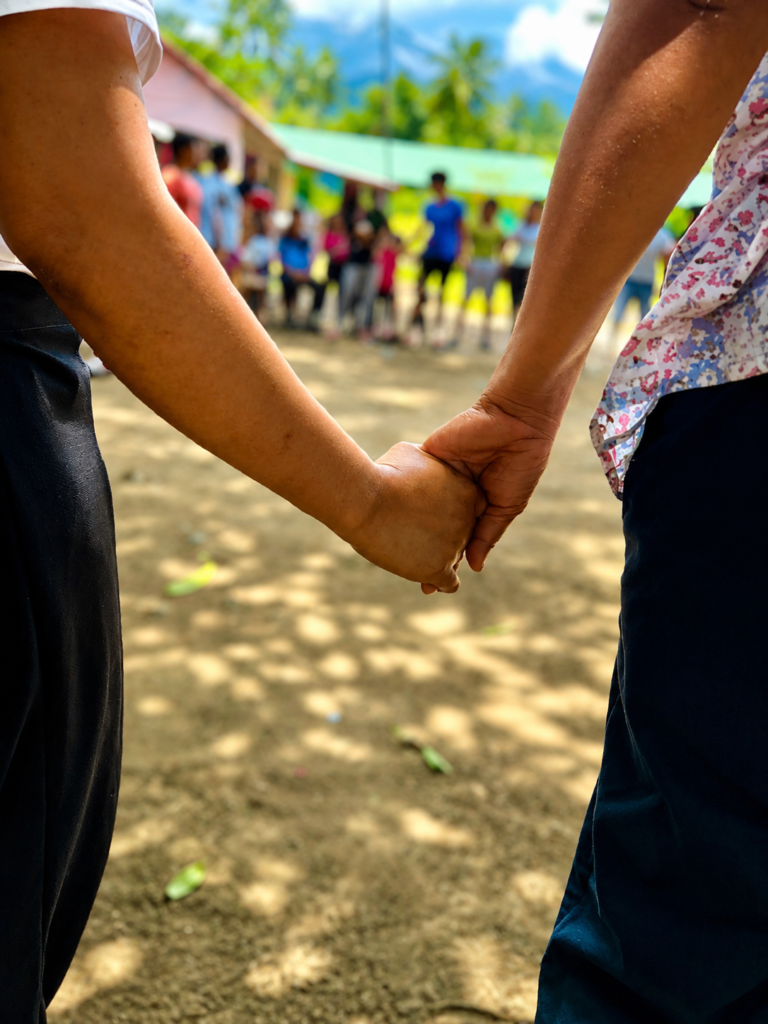
The intervention began with a simple but important purpose: to create spaces where people could pause, breathe, connect, and feel supported.
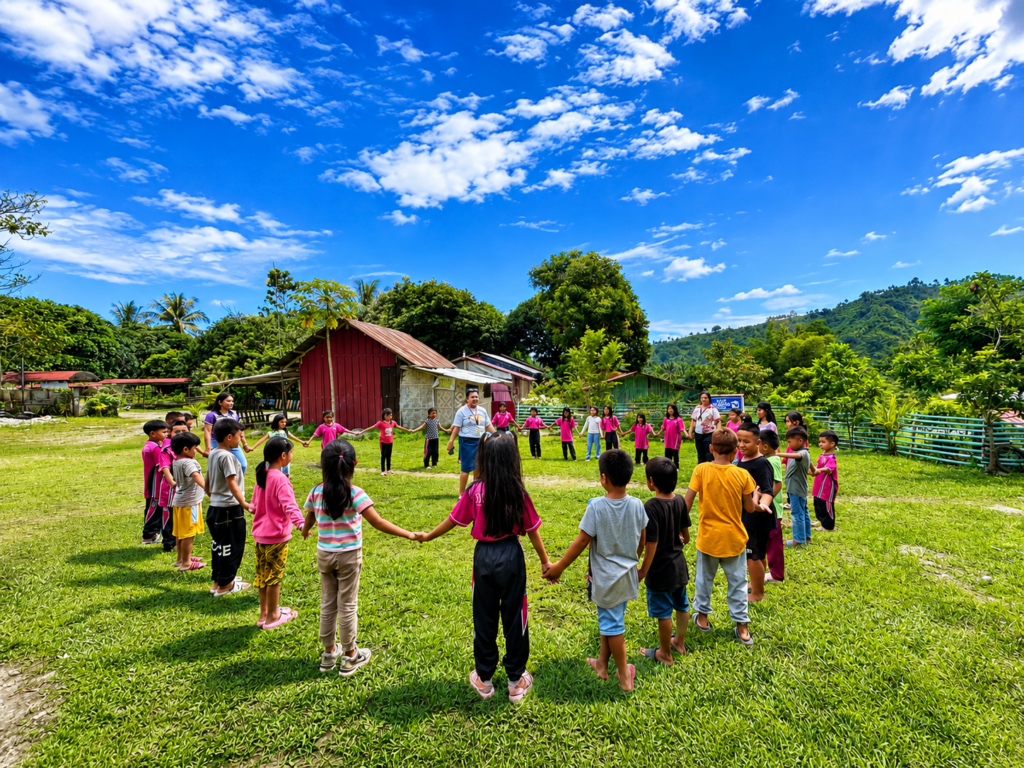
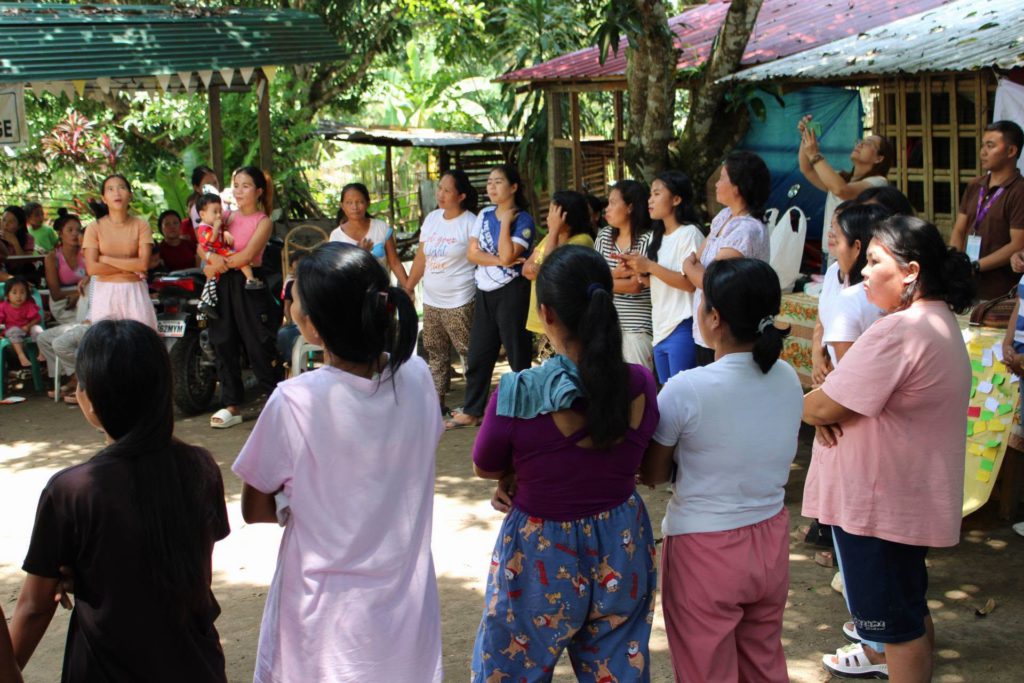
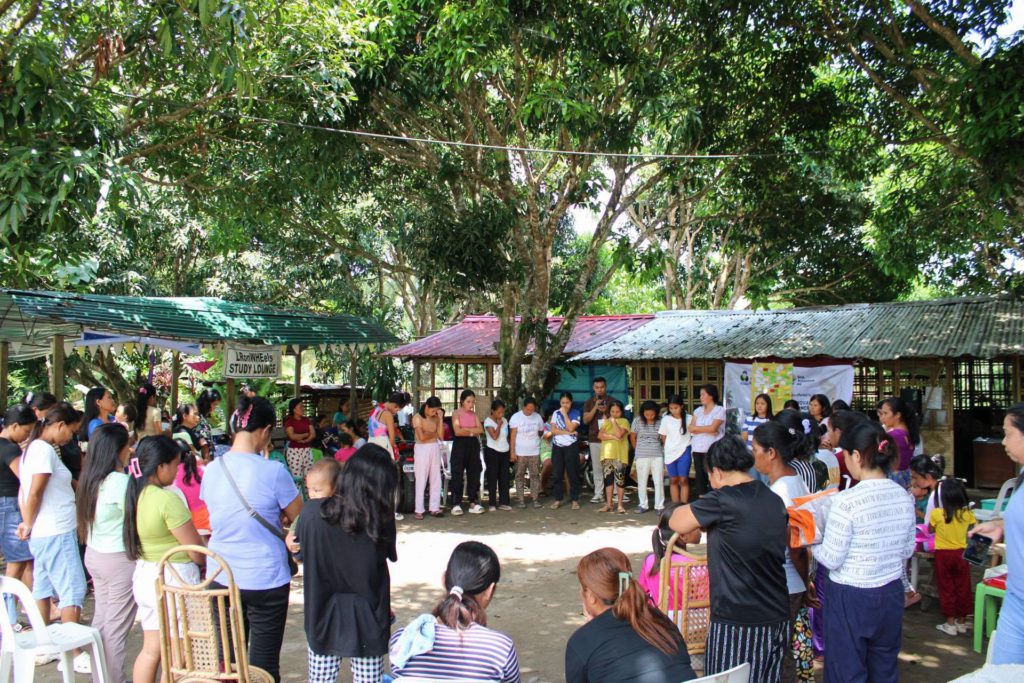
Through psychosocial activities, children, families, and community members were given opportunities to express their emotions, share their experiences, interact with others, and practice healthy ways of coping with stress. The activities were not simply designed to keep participants occupied. They created opportunities for people to reconnect with themselves and others after an experience that had disrupted their sense of safety.
For children, healing sometimes looked simple. It was found in the chance to play, laugh, participate, talk with their peers, and spend time in a space where they could simply be children. These moments may appear ordinary, but after experiencing a disaster, ordinary moments can become meaningful steps toward restoring a sense of normalcy.
For families and other community members, healing meant having a space where their experiences could be acknowledged. It meant being reminded that fear, worry, sadness, and uncertainty are understandable responses to a disaster, and that seeking support is part of the recovery process.
At the center of the intervention were the people of Maasim. The goal was not simply to conduct an MHPSS activity, but to walk alongside a community that was still finding its footing after the earthquake.
This journey was strengthened by the spirit of solidarity within the Self-Help Approach (SHA). As the lead organization of the SHA Promoters PH, FDAI worked on the ground with OND Hesed, Inc., a partner in the Self-Help Approach and a member of the SHA Promoters PH. Their collaboration carried a deeper meaning because OND Hesed, Inc. and its partner communities were also affected by the earthquake.
Despite experiencing the disaster themselves, OND Hesed, Inc. became part of the effort to support the people of Maasim. Other members of the SHA Promoters PH also extended financial support for the implementation, allowing the network to contribute to the response even when they were not physically present.
But behind every contribution and every partnership was a shared purpose: to help the people of Maasim begin their journey toward healing.
The MHPSS intervention showed that recovery is not always found in grand gestures. Sometimes, it begins with a child laughing again. It can be found in a family having the courage to talk about what they experienced, in a community coming together, or in simply knowing that someone is willing to listen.
The journey does not end with the conclusion of the activity. Healing takes time, and every person and community experiences it differently. What matters is that the people of Maasim know that they do not have to walk that journey alone.
The earthquake may have changed the community, but it also revealed its capacity to come together, support one another, and begin again.
In Maasim, healing continues through conversation, connection, compassion, and shared moments of hope.